
Xcel Energy’s Mountain Energy Project: What You Need to Know
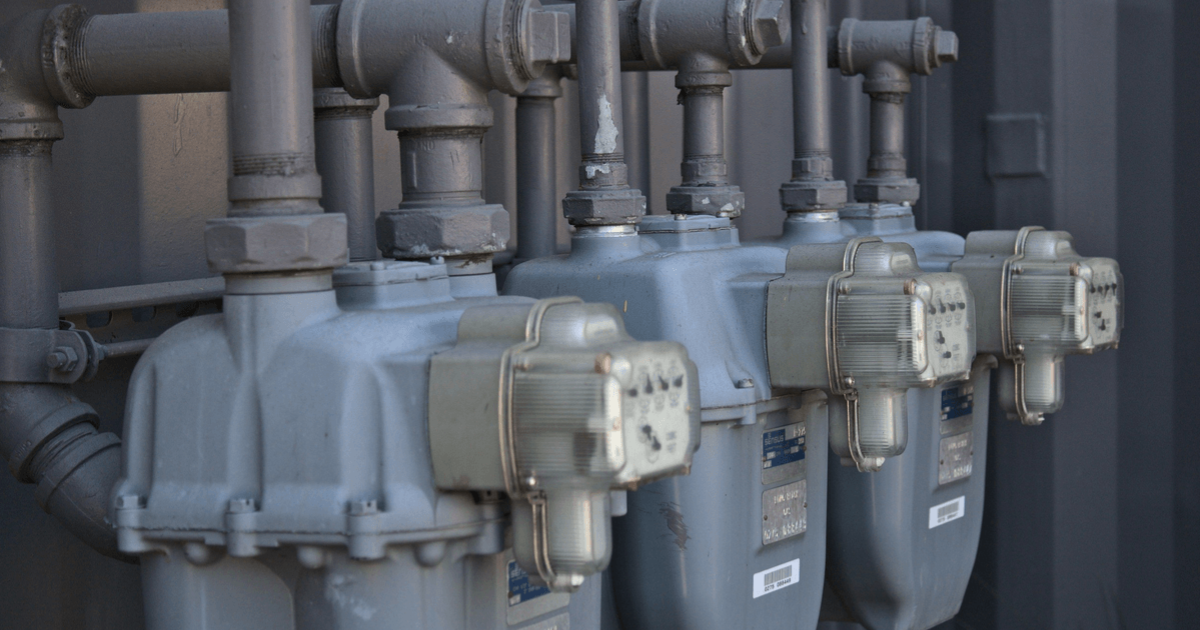
As was first felt by the residents of Summit County, CO during rolling blackouts on February 8th, 2019, after temperatures remained below 10 °F for nearly 42 consecutive hours, our Eastern Mountain Gas System (“EMGS”) has a critical peak demand problem. According to Xcel Energy, the controlled outages were implemented to rotate “power to different areas around the county every 30 minutes to prevent gas furnaces from operating and provide relief on the gas system". Specifically, when customer demand for natural gas (“NG”) exceeds the volume that can be replenished through compressor stations, system pressure drops. Low system pressure is not merely an inconvenience—it represents a public safety risk that can result in carbon monoxide (CO) exposure, equipment damage, and widespread service interruptions if not properly managed.
For this reason, Xcel Energy quickly notified the Town of Breckenridge council of the gas supply constraints and began crafting a plan to address the issue. The initial stopgap measures were approved by the Breckenridge Town Council and temporary modular liquid NG tanks were installed off of Gateway Drive in Breckenridge in 2022. However, this alternate solution was never intended to last.
After nearly five years of planning, Xcel Energy filed its “Mountain Energy Project” with the Colorado Public Utilities Commission (“PUC”) on January 16th, 2024. And, after several months of back and forth, as well as public comment hearings, the Summit Daily recently reported that the customers of the Eastern Mountain Gas System (including all or parts of Summit, Grand, and Lake counties) will soon receive a final decision on the initiative from the commission.
Why does this matter? From Peak Utility Advisors’ perspective, the most concerning figure is the project’s $155M price tag. Under what utility commissions refer to as long-run incremental cost (LRIC) pricing—also known as incremental pricing—the approximately 33,500 customers served by the EMGS would have been responsible for approximately $4,600 per customer, over the life of the project. However, during ongoing negotiations in late July, Xcel Energy provided a guarantee that customers of the Eastern Mountain Gas System would not solely bear the financial burden in their settlement. This type of arrangement, where all ratepayers of a utility company split the cost of even localized upgrades, is referred to as “rolled-in pricing” or “average cost pricing”. While the PUC has not yet issued a final written ruling approving average cost pricing, Xcel Energy’s settlement commitment suggests the $155 million cost will likely be spread across all Xcel Energy – Colorado NG ratepayers. So, what exactly will Xcel Energy be investing in with the Mountain Energy Project—an initiative they claim is the largest-ever non-pipeline alternative portfolio?
Xcel Energy’s proposed solution, that is expected to remain largely intact in the final ruling, involves two main components. The solution includes NG infrastructure investments, including a new liquified natural gas (“LNG”) storage and vaporization facility in Breckenridge and a compressed natural gas (“CNG”) storage and depressurization facility in Keystone. These facilities will inject gas into key areas within the Eastern Mountain Gas System helping to alleviate low localized pressure caused by increased demand during peak days. In addition to these infrastructure measures, Xcel Energy will be heavily promoting a Non-Pipeline Alternative (NPA) program to help reduce demand. The investor-owned utility (“IOU”) company will allocate $49M of the total project cost toward energy efficiency upgrades targeting customers in the EMGS territory. While the number of Xcel Energy NG customers located in Grand, Lake, Summit, and Eagle counties increased 8% during the period between 2019 and 2023, according to the Town of Breckenridge, NG usage has since fallen 5% in Summit County between 2023 and 2024. It’s important to maintain this trajectory should extremely cold stretches occur in the future, as often happens during polar vortexes or arctic blasts. One way to ensure that NG demand in Grand, Lake, Summit, and Eagle counties continues to decrease is to incentivize building improvements that lead to energy use reductions for customers Eastern Mountain Gas System wide. Additional measures that are typical in NPA portfolios include beneficial electrification, such as air-source heat pumps (“ASHPs”), that can serve the same functions as boilers and/or furnaces (depending on building systems) but change the fuel to electricity. The reason that the industry refers to ASHPs as beneficial is because on a per unit energy basis (think kWhs, BTUs, or joules that can easily be converted back and forth), heat pumps are currently averaging efficiencies 2-3X better than even the most efficient NG boilers/furnaces. This contrasts sharply with electric resistance heating—such as baseboard systems—which function much like large toasters and operate far less efficiently. Other energy efficiency (“EE”) improvements that are often incentivized by similar programs are appliance conversions and/or replacements, high-efficiency boiler and furnace replacements, as well as other demand management measures.
If you’re interested in finding out more about strategies that can help your business save money and provide the community benefits of reducing NG demand throughout Grand, Lake, Summit, and Eagle counties, Peak Utility Advisors is uniquely positioned to help. PUA Founder Matt Jochym has worked closely with utility NPA programs, notably the pilots that would become Con Edison’s Energy Exchange Program. Whether it involves product selection, owner’s representative services, project management, or utility program coordination, PUA helps businesses significantly reduce NG consumption—lowering costs while improving long-term resilience and environmental performance.
Contact Information
Matt Jochym
Advisor/Founder
(M): 970-235-1098
(E): matt.jochym@peakutilityadvisors.com
peakutilityadvisors.com/form
